Discover Manma-Tei
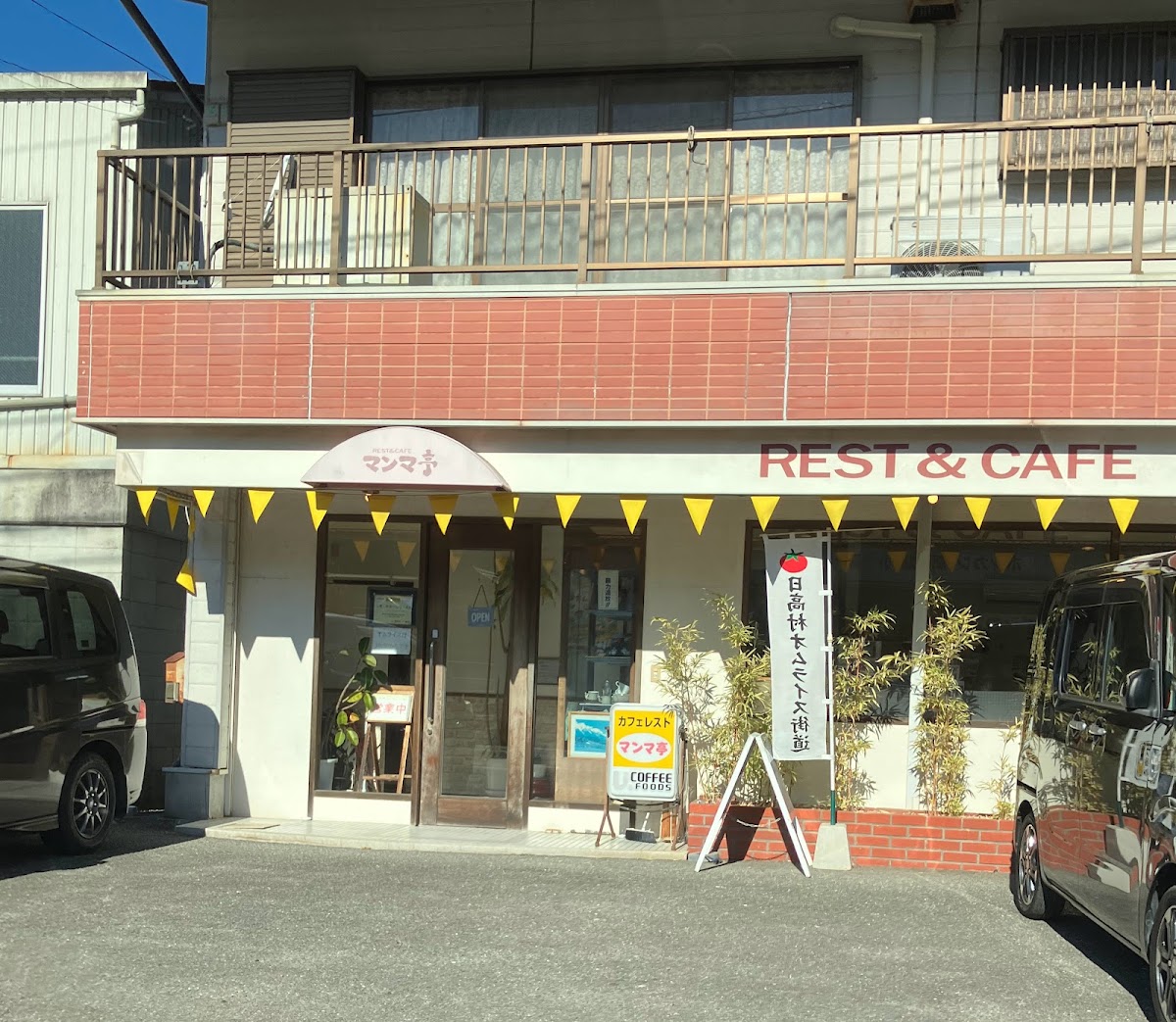
Tucked away at 1706-1 Shimobun, Hidaka, Takaoka District, Kochi 781-2151, Japan, Manma-Tei feels like the kind of place you only discover if a local quietly points you in the right direction. I first visited on a breezy autumn afternoon while driving through Hidaka, and what started as a quick lunch stop turned into a memorable deep dive into Kochi’s comforting, home-style Japanese cuisine.
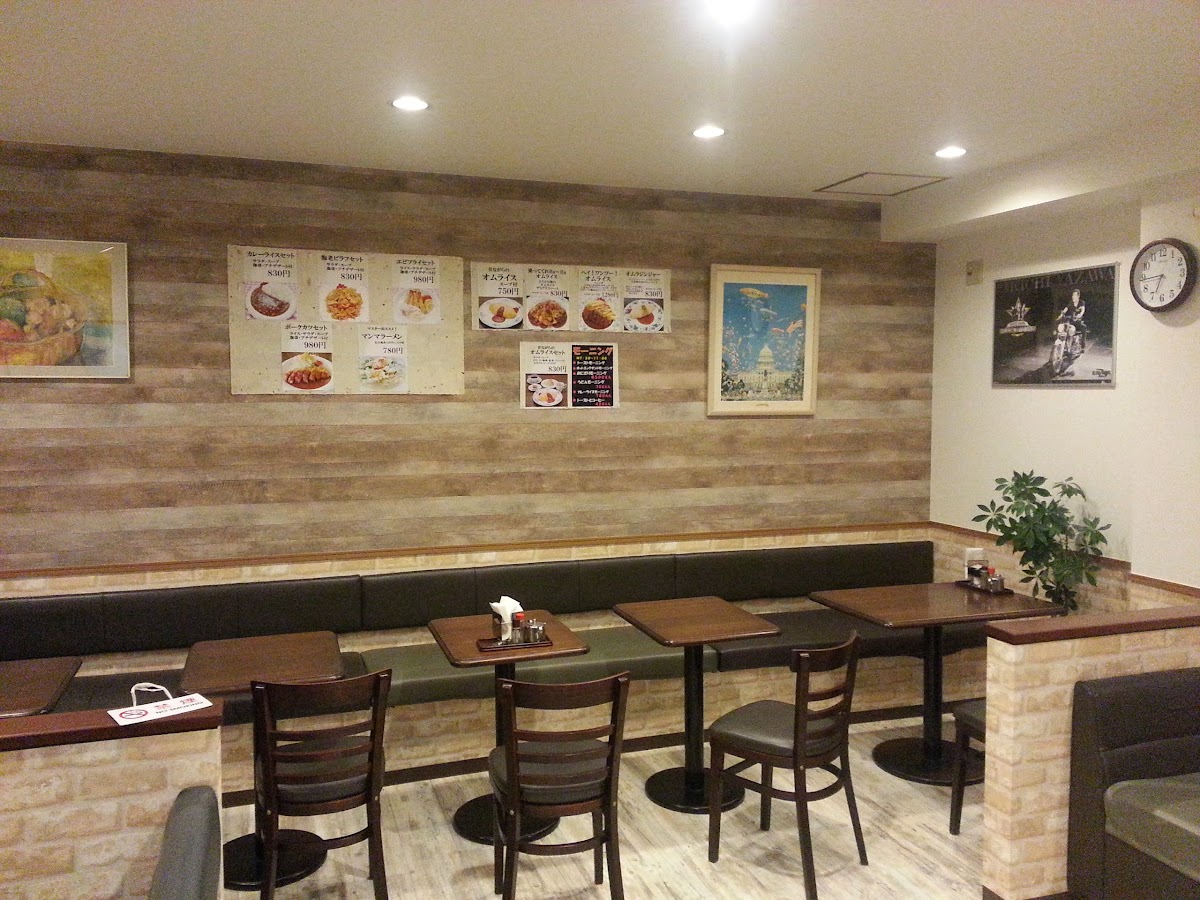
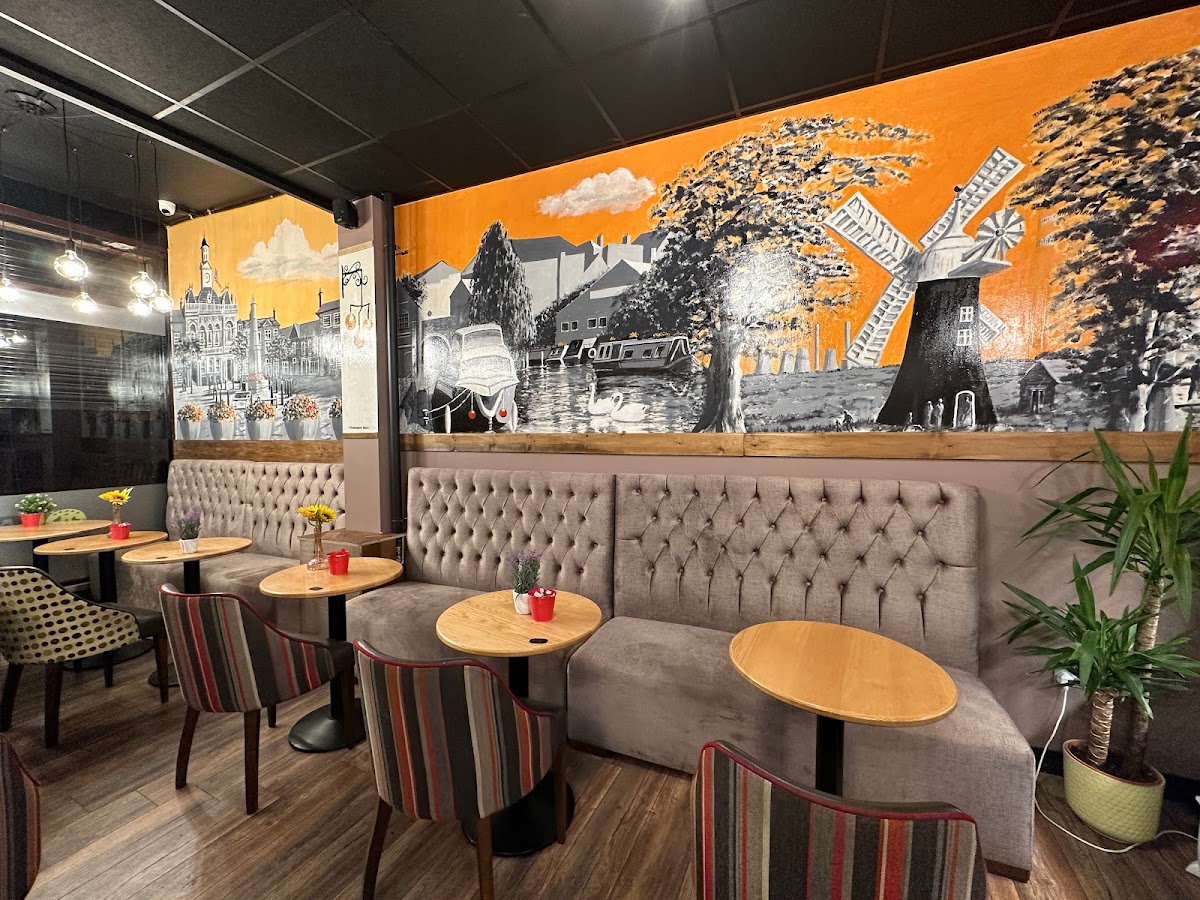
The setting is simple but welcoming. Wooden tables, handwritten menu boards, and the faint aroma of simmering dashi create an atmosphere that feels genuinely lived-in. It’s not a flashy restaurant, and that’s exactly the charm. In a region known for its agricultural richness and fresh seafood, small diners like this often rely on seasonal ingredients sourced nearby. According to Japan’s Ministry of Agriculture, Forestry and Fisheries, Kochi Prefecture consistently ranks high in yuzu production and fresh bonito landings, and you can taste that local pride in dishes here.
The menu leans heavily into teishoku-style meals, which are set meals typically including rice, miso soup, a main dish, and small seasonal sides. I ordered the grilled katsuo (bonito), lightly seared in the traditional tataki style. The fish arrived with a smoky crust, tender center, and a bright citrus ponzu sauce that highlighted Kochi’s famous yuzu. The balance of umami, acidity, and texture was spot on. As someone who has spent years reviewing regional diners across Shikoku, I pay attention to how kitchens handle timing and heat control. Here, the fish was seared just long enough to lock in flavor without overcooking the interior-a technique that requires precision and confidence.
On another visit, I tried their karaage set. The chicken was marinated in soy sauce, ginger, and garlic before being coated and fried. The result? Crisp on the outside, juicy inside, and not overly greasy. It’s easy to underestimate a dish like fried chicken, but achieving that clean finish takes skill. The oil temperature has to stay consistent, usually around 170-180°C, and judging by the texture, they monitor it carefully. Even the shredded cabbage served on the side was fresh and finely cut, offering a refreshing contrast.
What stands out most in customer reviews is the consistency. Regulars often mention that the flavors don’t fluctuate, even during busy lunch hours. In the restaurant world, consistency is the backbone of trust. The Japan Food Service Association emphasizes hygiene and standardized preparation processes as key to long-term success, and it’s clear that the team here follows disciplined kitchen routines. You can see the workflow: orders are called out, ingredients are portioned quickly, and plating remains neat without feeling rushed.
Another detail worth noting is the rice. Japanese diners live and die by the quality of their rice, and here it’s fluffy, slightly sticky, and served steaming hot. Proper rice preparation involves careful washing, soaking, and precise water ratios before cooking-small steps that make a noticeable difference. When paired with their miso soup, which carries a gentle depth rather than overwhelming saltiness, the entire meal feels thoughtfully composed.
While the location in Hidaka may require a bit of planning if you’re coming from central Kochi City, that slight detour adds to the experience. Parking is available nearby, and the pace is slower than in urban eateries. If you’re exploring Takaoka District or driving along the Shimanto River area, it’s an easy and worthwhile stop.
I should note that English menus may be limited, so having a translation app helps. That said, the staff are patient and accommodating, and pointing to menu photos usually does the trick. Prices are reasonable, especially considering portion sizes and ingredient quality. For travelers seeking authentic Japanese comfort food rather than tourist-oriented dining, this spot delivers a genuine slice of Kochi life.
The overall feeling after each visit is simple satisfaction. No theatrics, no gimmicks-just well-executed dishes rooted in local tradition and careful technique. In a culinary landscape increasingly shaped by trends, places like this remind you why regional diners continue to matter: they preserve flavor, culture, and community one set meal at a time.